
TV cable concealment: surface covers, in-wall options and what to check
A clean cable finish starts with knowing which cables need a route and what the wall can accommodate.
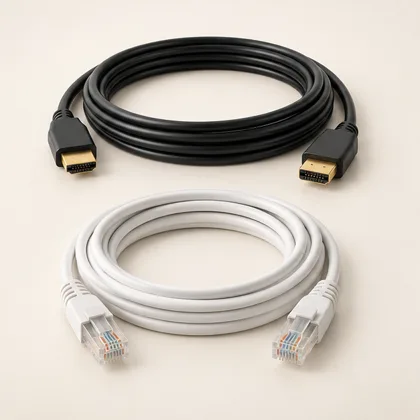 Setup concept. Not a photograph of a specific Mounters installation.
A clean cable finish starts with knowing which cables need a route and what the wall can accommodate.
Separate power from signal planning
A TV power connection and an HDMI cable do different jobs. Discuss them separately. An ordinary TV power cord or extension cord should not simply be passed through a wall cavity. Outlet work and permanent electrical changes require an appropriately qualified professional and compliance with applicable requirements.
Surface covers can be a practical choice
A compatible raceway or surface cover can organize visible cables without an in-wall signal route. It can suit some rental or masonry situations, subject to permission and the product’s installation requirements. Adhesive products can still damage paint or finishes; “no drilling” does not mean “no risk of damage.”
In-wall routing depends on the actual wall
Studs, blocking, insulation, plumbing and electrical wiring can affect the available route. A simple-looking wall is not proof that a cable can pass through it. Cable ratings, access points and separation from other services need assessment. Make sure the quote describes any openings, patching or finish work.
Allow for access and future changes
A cable route should support the equipment you use now while leaving a sensible way to service it. Full-motion mounts need cable movement throughout their permitted travel. Ask where connectors, power supplies and streaming devices will be accessible after the screen is mounted.
Ask for a defined finish
“Hide the wires” is a useful preference but an incomplete scope. Confirm what is included before agreeing to the work.
Which cables and devices are included?
Is the solution surface-mounted or in-wall?
Is electrical work separate?
Who handles patching and paint, if needed?
References and next steps
Check the current instructions for your exact equipment. These guides help you prepare a project brief; installation suitability and scope require assessment.
Electrical Safety Foundation: home electrical safety resources
NFPA: electrical safety information
Does “wire hiding” include a new outlet and repainting?
Not necessarily. A surface cable cover, an in-wall signal route and an electrical outlet are different scopes. Ask the quote to identify the cables, attachment method, electrical responsibility and final finish. Openings, patching and painting should be agreed separately rather than inferred from a photo of a finished room.
Before agreeing to the work
- Name each power and signal connection.
- Confirm what happens if the proposed route is blocked.
- Ask who owns the patch-and-paint work.
A question your room would ask.
Keep it about the topic. For a price or appointment, request a project quote.
Ask a question +
Keep planning.
 Setup guide
Same TV. Different wall. Different plan.
Drywall, masonry and plaster are not interchangeable mounting surfaces. Here is what to share before an installer arrives.
2 min read · Read guide → Setup guide
Mounting a TV in a rental: permission, wall damage and equipment choices
Check permission and the proposed finish before buying a bracket or agreeing to drilling in a rented home.
2 min read · Read guide → Setup guide
Less cable chaos. More game time.
Plan a gaming TV setup around console capabilities, airflow and everyday access—not just a clean photograph.
2 min read · Read guide →